
Mobile TBI Assessment Services
Objective Brain Health Assessments After an Accident.
Court-ready, neurologist-reviewed reports delivered in 48 hours. Available at our Dallas clinic or at your home, office, or attorney's office in seven major metro areas nationwide.
- FDA-cleared technology
- Neurologist-reviewed reports
- 48-hour turnaround
- In-clinic or mobile
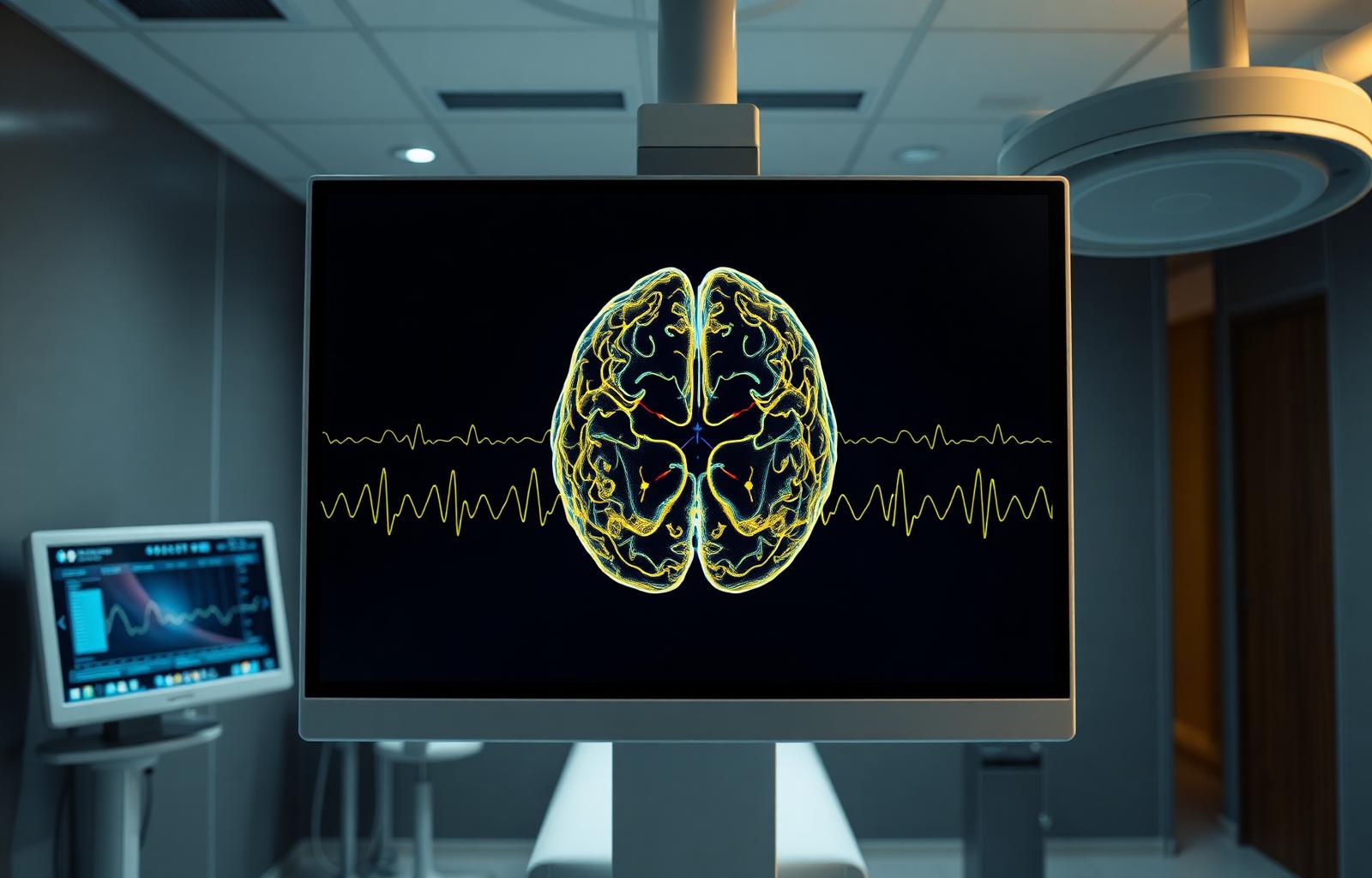
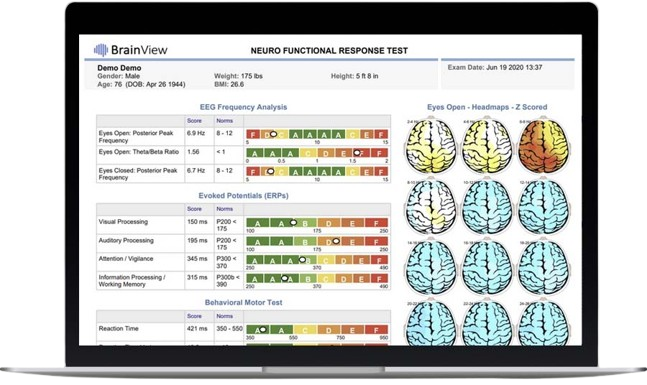
Traumatic brain injuries are often overlooked after an accident.
After a car accident, fall, or workplace injury, soft-tissue and orthopedic injuries are usually the focus. Mild traumatic brain injuries — concussions and functional disturbances of the brain — frequently go undetected on standard imaging like CT or MRI, because those tools show structure, not function.
Cortivex Medical provides objective, technology-driven assessment of brain function to help patients, physicians, and attorneys understand what may be happening beyond what conventional imaging reveals. Every assessment is independently reviewed by a board-certified neurologist in our network.
Learn how the technology worksUnderstanding the Injury
Why even a "mild" TBI deserves serious attention
The word "mild" in mild traumatic brain injury (mTBI) refers to the mechanism of injury — not necessarily the impact on a person's life. Mild TBIs, which include concussions, account for an estimated 75 to 80 percent of all traumatic brain injuries. While most people recover within days or weeks, a significant portion experience persistent post-concussive symptoms that affect work, relationships, and daily functioning. Early objective assessment helps clarify what is happening so the right care can begin sooner.
Symptoms can persist for months or years
While most concussion symptoms resolve within two weeks, peer-reviewed research indicates that up to roughly one in three adults experience prolonged symptoms beyond the acute window. When symptoms persist beyond three months, the condition is often described as persistent post-concussive symptoms.
Source: Peer-reviewed neurological literature; CDC
Effects can reach cognition, mood, and daily function
Persistent post-concussive symptoms can affect memory, concentration, sleep, mood, and the ability to return to work or school at full capacity. The effects are real and measurable, even when conventional structural imaging appears normal.
Source: CDC; peer-reviewed literature
Mild TBI is frequently under-recognized
Delayed concussion symptoms may not appear immediately. They can be delayed by hours or days, attributed to other causes (stress, fatigue, the accident itself), or dismissed by the patient as something that will pass. Documentation often happens late, after symptoms have already affected work, school, or family life.
Source: CDC
Standard imaging is not designed to detect functional injury
CT and MRI excel at identifying structural injuries — bleeds, fractures, large lesions. Mild TBI typically involves functional changes in how the brain processes information, which standard structural imaging is not designed to capture. Negative CT and MRI results do not rule out mild TBI.
Source: American Academy of Neurology; American Congress of Rehabilitation Medicine
Because symptoms can be subtle and standard imaging is often negative, an objective look at brain function is an important complement to clinical evaluation. Cortivex Medical's functional brain injury assessment is designed to provide that objective layer — not to replace clinical judgment, but to support it.
Signs to Watch For
Symptoms commonly reported after head injury
After a motor vehicle collision, fall, sports incident, or workplace injury, mild TBI symptoms after a car accident or other impact can appear immediately or develop hours to days later. They are often subtle at first and can be easily attributed to the stress of the accident itself. The symptom list below reflects categories described by the U.S. Centers for Disease Control and Prevention. Experiencing any of these symptoms after an injury is not a TBI determination — but it is a reason to seek qualified evaluation.
Physical Symptoms
Headache, dizziness, balance problems, nausea or vomiting, fatigue, sensitivity to light, sensitivity to noise, blurred vision, ringing in the ears.
Cognitive Symptoms
Difficulty concentrating, memory problems, feeling slowed down, mental fogginess, increased thinking time, difficulty with problem-solving, slowed response time.
Emotional Symptoms
Irritability, anxiety, sadness or depression, mood changes, increased emotionality, personality changes, apathy.
Sleep Symptoms
Sleeping more than usual, sleeping less than usual, difficulty falling asleep, disrupted sleep.
Source: U.S. Centers for Disease Control and Prevention. This list is general informational reference, not medical advice. Symptoms vary from person to person and are not in themselves a determination of injury. Consult a qualified healthcare provider for evaluation.
When symptoms last longer than expected
Concussion symptoms not going away — persistent symptoms that continue beyond two to three weeks after an injury, or new symptoms that emerge in the days following a head impact — are good reasons to pursue objective concussion testing. Early brain function evaluation after an accident can support earlier appropriate care, more accurate documentation, and better outcomes.
A simple, professional process.
From scheduling to a court-ready report in 48 hours.
- 1
01 — Schedule
Book an appointment at our Dallas clinic or request a mobile visit at the patient's home or office anywhere in DFW or the Houston metro. Appointments are by appointment only.
- 2
02 — Assess
A trained technician administers the assessment using FDA-cleared brain function technology. The session is non-invasive, comfortable, and typically completed in under an hour.
- 3
03 — Report
Within 48 hours, you receive a comprehensive 30-page report independently reviewed by a board-certified neurologist in our network — formatted for clinical use and admissible documentation.
For Patients
If you've been in an accident and something feels off — headaches, brain fog, memory issues, sleep changes, mood shifts — you deserve answers. Our assessment provides objective, measurable data about brain function that complements your medical care team.
Schedule an ExamFor Personal Injury Attorneys
Bring objective, court-ready brain health documentation to your TBI cases. Reports are neurologist-reviewed, formatted for litigation use, and delivered within 48 hours. Letters of Protection accepted.
Attorney ResourcesBuilt for accuracy, speed, and professional use.
FDA-Cleared Technology
We use brain assessment technology cleared by the U.S. Food and Drug Administration as an aid in clinical evaluation.
Neurologist-Reviewed Reports
Every report is independently reviewed by a board-certified neurologist in our network, included with each assessment.
48-Hour Turnaround
Comprehensive reports delivered within two business days of the assessment.
Mobile Service Area
We come to the patient's home, office, or attorney's office anywhere in the Dallas–Fort Worth and Houston metro areas.
Court-Ready Documentation
Reports are formatted to support clinical care and to serve as professional documentation in legal proceedings.
Complimentary Case Coordination
Attorney clients receive access to our case-coordination platform that helps track patient care milestones at no additional cost.
Where We Serve
Cortivex Medical is headquartered in Dallas and provides mobile assessment services across seven major metropolitan areas in the United States.
Dallas–Fort Worth Metroplex
In-clinic appointments at our Dallas headquarters and mobile service throughout DFW.
1619 MLK Blvd, Dallas, TX
Greater Houston Area
Mobile assessment service throughout the Houston metro.
Chicago Metropolitan Area
Mobile assessment service throughout the Chicago metro. TBI testing Chicago available by appointment.
Greater Los Angeles
Mobile assessment service throughout the Los Angeles metro. Mobile brain assessment Los Angeles by appointment.
South Florida (Miami)
Mobile assessment service throughout the Miami metro. Concussion testing Miami by appointment.
Las Vegas Metropolitan Area
Mobile assessment service throughout the Las Vegas metro. TBI evaluation Las Vegas by appointment.
Detroit Metropolitan Area
Mobile assessment service throughout the Detroit metro. Brain injury testing Detroit by appointment.
Frequently Asked Questions
What is a TBI and why does it matter after an accident?+
A traumatic brain injury (TBI) is an injury to the brain caused by an outside force, often from car accidents, falls, sports, or workplace incidents. Mild TBIs and concussions frequently go undetected on standard imaging because they involve functional rather than structural changes. Untreated TBI symptoms can persist for months or years and significantly affect quality of life and the ability to work.
Is the assessment painful or invasive?+
No. The assessment is non-invasive and uses surface sensors. Most patients describe the experience as comparable to a standard EEG.
How long does the appointment take?+
Most appointments are completed in under an hour, including setup and the assessment itself.
Will my insurance cover this?+
Coverage varies. Many of our patients are seen on a Letter of Protection through their personal injury attorney. We also offer discounted self-pay rates for upfront payment. Contact us for pricing.
Does this replace seeing a doctor?+
No. Our service provides objective data and a neurologist-reviewed report that complements — but does not replace — care from your treating physicians. We do not provide treatment or ongoing medical care.
How quickly can I be seen?+
Most patients can be scheduled within a few business days, often sooner for urgent cases. Reports are delivered within 48 hours of the assessment.
Ready for objective answers?
Schedule an assessment at our Dallas clinic or anywhere in the DFW or Houston metro area.
Or call 111-111-1111 — appointments by appointment only.